I Spent Years Trying to Please Everyone. It Never Worked.

For most of my early years, I lived by an unspoken rule: say yes.

Yes to the extra task. Yes to the plan I didn’t want to be part of. Yes to opinions I didn’t agree with, just so I wouldn’t have to sit in the discomfort of someone being unhappy with me. I didn’t call it people-pleasing back then; I called it being agreeable, being easy to work with, and being nice. It felt like a virtue. It wasn’t. It was fear wearing a polite mask.

I think it came from inexperience more than anything else. When you don’t yet know your own worth, you borrow it from other people’s approval. Every “yes” felt like a small deposit into an account I thought I needed for acceptance, likability, and safety. I didn’t realize I was spending myself to fund it.

The cost showed up slowly.

It wasn’t one dramatic moment that broke the pattern. It was the quiet accumulation of exhaustion, agreeing to things I resented, showing up for people who wouldn’t have shown up for me, and losing track of what I actually wanted because I was so busy managing what everyone else wanted from me. Somewhere in there, I noticed a simple, uncomfortable truth: the people I was trying hardest to please rarely noticed the effort. And the ones who did notice didn’t respect me more for it. If anything, they asked for more.

Then it clicked: pleasing everyone isn’t a skill. It’s an impossibility.

You cannot make every person happy with your choices, your boundaries, your time, or your work. Someone will always want a different version of you. Trying to be that version for everyone doesn’t make you well-liked; it makes you inconsistent, stretched thin, and strangely invisible, because a person shaped entirely by other people’s expectations doesn’t have a shape of their own.

So I started saying no.

Not out of spite, not as a rebellion, just as a return to something more honest. No to obligations that drained me without purpose. No to opinions I didn’t hold, just to keep the peace. No to being available for everyone at the cost of being present for the people and things that actually mattered.

It didn’t feel good at first. Every “no” came with a flicker of guilt, a fear that I was becoming someone difficult, someone selfish. But over time, something shifted. The guilt faded, and in its place came something steadier: clarity. I started making decisions based on what I actually valued, not on what would keep the most people comfortable.

Now I live by my own principles, not the shifting expectations of a crowd.

That doesn’t mean I’ve become closed off or hard to work with. I still care about people, still show up, and still say yes often. But it’s a yes I choose, not one I default to out of fear. And when it’s a no, it’s not an act of rejection; it’s an act of self-respect.

If there’s one thing I’d tell my younger self, it’s this: you were never actually pleasing everyone. You were just quietly disappointing yourself to avoid disappointing others. Learning to say no didn’t make me less kind. It made me more honest with other people and with myself.

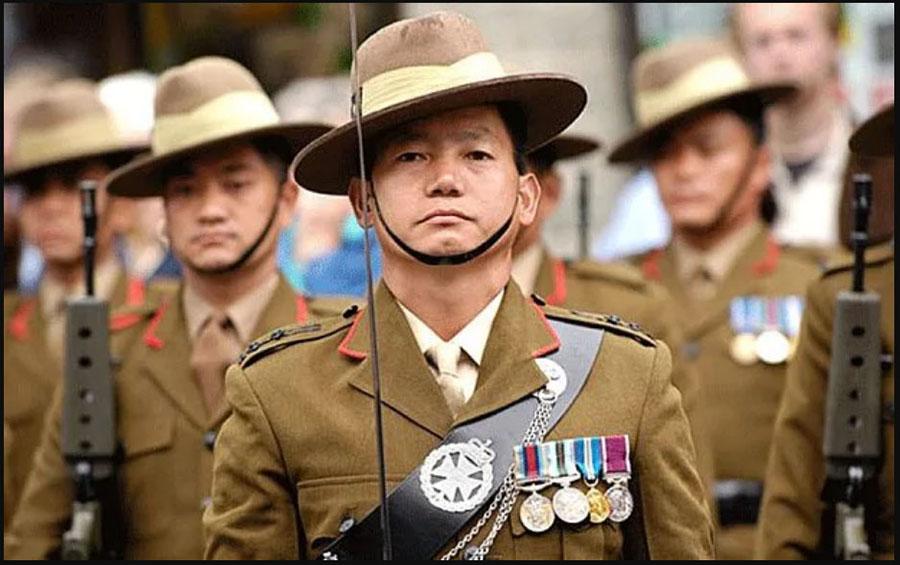
Why You Never Mess with a Gurkha: The Courage, Honor, and Legacy of Nepal’s Legendary Soldiers

When people say, “Never mess with a Gurkha,” they aren’t encouraging fear; they’re expressing deep respect for one of the most courageous and disciplined groups of soldiers in military history.

For more than 200 years, Gurkhas have earned a worldwide reputation for bravery, loyalty, professionalism, and unwavering determination. Their remarkable service has made them legendary among military forces across the globe.

Who Are the Gurkhas?

Gurkhas are soldiers from Nepal who have served with distinction in the British Army, the Indian Army, and other military organizations. Their story began in the early 19th century when the British were so impressed by the courage and fighting skills of Nepali warriors that they began recruiting them.

Today, Gurkhas continue to serve with honor in peacekeeping missions, disaster relief operations, and military assignments around the world.

Why Are Gurkhas So Respected?

Extraordinary Courage

Gurkhas have earned a reputation for remaining calm and determined even in the most dangerous situations. Throughout history, many have displayed remarkable bravery while protecting their fellow soldiers and completing difficult missions.

Extremely Competitive Selection

Thousands of young Nepalis apply every year to become Gurkhas, but only a small number are selected. Candidates must pass demanding physical fitness tests, educational exams, interviews, and endurance challenges.

Becoming a Gurkha is considered one of the greatest honors in Nepal.

World-Class Training

Once selected, recruits undergo intensive military training that develops discipline, leadership, teamwork, physical fitness, and tactical skills.

Their preparation enables them to perform effectively in a wide variety of environments and operations.

The Famous Kukri

The Gurkha’s traditional curved knife, known as the kukri, is one of the world’s most recognizable military symbols.

It is more than a weapon; it represents courage, heritage, duty, and honor.

Loyalty and Professionalism

Military leaders across generations have admired Gurkhas for their loyalty, humility, and professionalism.

Their commitment to duty has earned respect from allies and former adversaries alike.

A Legacy Built on Honor.

Over two centuries, Gurkhas have served in numerous conflicts and peacekeeping missions around the world.

Many have received prestigious military awards for acts of extraordinary courage, demonstrating that their legendary reputation is based on real achievements rather than myths.

What Does “Never Mess with a Gurkha” Really Mean?

The phrase has become popular because people recognize the Gurkhas’ remarkable courage and discipline.

It should not be interpreted as encouraging violence.

Instead, it is a tribute to a military tradition built on bravery, integrity, and selfless service.

Lessons We Can Learn

The Gurkha legacy teaches valuable life lessons:

  • Courage during difficult times.
  • Discipline in everyday life.
  • Respect for others.
  • Loyalty to friends and teammates.
  • Commitment to excellence.
  • Humility despite great achievements.

These qualities inspire people far beyond the military.

Final Thoughts

The Gurkhas have earned worldwide admiration through generations of honorable service.

Their courage, discipline, humility, and professionalism continue to inspire millions around the world.

The next time you hear someone say “Never mess with a Gurkha,” remember that the phrase is really a recognition of one of history’s most respected military traditions.

Disclaimer: This article is intended for educational and historical purposes. It honors the legacy of the Gurkhas and does not encourage violence or hostility toward any individual or group.